How Clogged Gutters Cause Water Damage in Syracuse Homes (And How to Prevent It)
Homeownership in Syracuse, New York comes with its fair share of seasonal challenges. From heavy snowfall in the winter to intense rainstorms in the spring and fall, homes in Central New York endure constant exposure to moisture. One of the most overlooked, but critically important, defense systems against water damage is your gutter system.
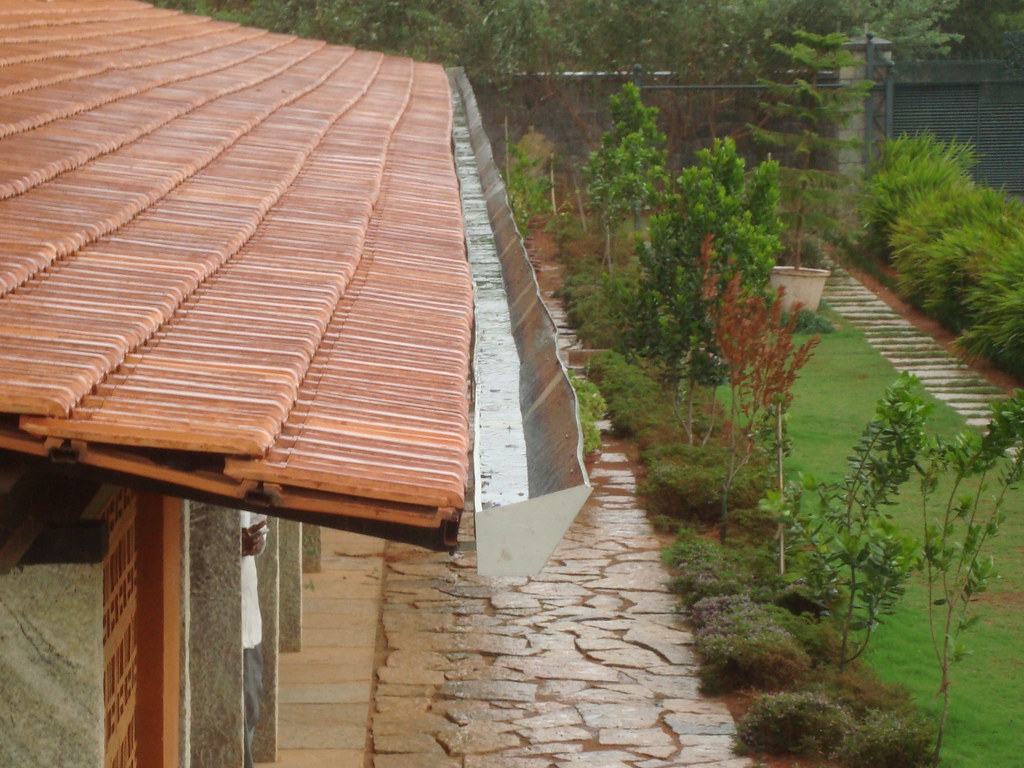
When gutters are functioning properly, they direct rainwater and melting snow safely away from your home. But when they become clogged, even partially, they can quickly turn into a major source of structural damage. Understanding how clogged gutters lead to water damage—and how to prevent it—can save Syracuse homeowners thousands of dollars in repairs.
Why Gutters Matter More in Syracuse Than You Think
Syracuse is known for its high annual snowfall and frequent precipitation. This combination creates a constant cycle of water accumulation and drainage. Gutters are designed to handle this load, but they depend on one key factor: unobstructed flow.
Leaves, twigs, pine needles, dirt, and even ice can block gutters and downspouts. When that happens, water has nowhere to go. Instead of being directed away from your home, it overflows and begins to affect areas it shouldn’t.
In a climate like Syracuse’s, clogged gutters aren’t just an inconvenience—they’re a direct threat to your home’s foundation, roof, siding, and landscaping.
The Chain Reaction: How Clogged Gutters Cause Water Damage
Clogged gutters don’t just create one problem—they trigger a cascade of issues throughout your home. Here’s how it typically unfolds:
1. Water Overflow and Roof Damage
When gutters are blocked, rainwater and melting snow spill over the edges. This excess moisture can seep under shingles, especially if your roof already has minor wear and tear.
Over time, this leads to:
- Rotting roof decking
- Mold and mildew growth
- Interior leaks in ceilings and attics
In Syracuse winters, this issue is amplified by ice dams. When gutters are clogged, melting snow refreezes at the edges, forcing water back under the roof.
2. Foundation Damage
Overflowing water doesn’t just fall straight down—it pools around your home’s foundation. Over time, this constant saturation weakens the soil and increases hydrostatic pressure against foundation walls.
This can result in:
- Cracks in the foundation
- Basement leaks or flooding
- Long-term structural instability
Given the freeze-thaw cycles in Central New York, even small cracks can expand rapidly, leading to costly repairs.
3. Siding and Exterior Wall Damage
Water spilling over clogged gutters often runs down the sides of your home. This repeated exposure can damage siding materials, especially wood and older vinyl.
Common issues include:
- Paint peeling or bubbling
- Wood rot
- Mold and algae growth
Not only does this affect your home’s appearance, but it also reduces its overall durability and value.
4. Landscape Erosion
Your landscaping is designed with proper drainage in mind—but clogged gutters disrupt that balance. Water pouring over the sides can erode soil, damage plants, and wash away mulch.
In some cases, it can even:
- Destroy garden beds
- Expose roots
- Create uneven ground near your home
5. Basement Flooding
One of the most serious consequences of clogged gutters is basement flooding. When water isn’t properly diverted away, it seeps into the ground and eventually finds its way into your basement.
This can lead to:
- Water damage to stored belongings
- Mold growth
- Expensive cleanup and restoration
Common Causes of Gutter Clogs in Syracuse
Understanding what causes clogs is the first step toward preventing them. In Syracuse and surrounding neighborhoods like Eastwood, Northside, and Meadowbrook, these are the most common culprits:
| Cause of Clog | Description | Risk Level |
|---|---|---|
| Fallen Leaves | Especially heavy during fall, quickly block water flow | High |
| Pine Needles | Dense and compact, often clog downspouts | High |
| Ice Buildup | Forms during winter, creating blockages and ice dams | Very High |
| Dirt & Debris | Accumulates over time, forming sludge | Medium |
| Bird Nests | Block sections of gutters and downspouts | Medium |
| Roof Granules | From aging shingles, can accumulate and reduce flow | Low-Medium |
Warning Signs Your Gutters Are Clogged
Many homeowners don’t realize their gutters are clogged until damage has already begun. Watch for these early warning signs:
- Water spilling over the sides during rain
- Sagging or pulling gutters
- Plants or weeds growing in gutters
- Staining on siding or exterior walls
- Pooling water near your foundation
- Basement dampness or musty smells
If you notice any of these issues, it’s time to act quickly.
How to Prevent Gutter-Related Water Damage
The good news is that most gutter-related problems are completely preventable with proper maintenance and a proactive approach.
1. Schedule Regular Gutter Cleaning
In Syracuse, gutters should be cleaned at least twice a year—typically in the spring and fall. Homes surrounded by trees may require more frequent cleaning.
Professional gutter cleaning ensures:
- Complete debris removal
- Proper water flow
- Early detection of damage
2. Install Gutter Guards
Gutter guards are a highly effective solution for reducing debris buildup. They act as a barrier, allowing water to pass through while keeping leaves and larger debris out.
Benefits include:
- Reduced maintenance frequency
- Improved water flow
- Longer gutter lifespan
3. Maintain Your Roof
Your roof and gutters work together as a system. Keeping your roof clean and in good condition prevents debris from entering your gutters in the first place.
Consider:
- Removing moss and algae
- Replacing damaged shingles
- Scheduling periodic roof cleaning
4. Ensure Proper Downspout Drainage
Downspouts should direct water at least 5–10 feet away from your home’s foundation. If they don’t, water will accumulate near your home regardless of how clean your gutters are.
Extensions or underground drainage systems can help solve this issue.
5. Invest in Professional Inspections
Routine inspections can catch small problems before they become major repairs. Professionals can identify:
- Loose or damaged gutters
- Improper slope or alignment
- Hidden blockages
Why Professional Gutter Services Make a Difference
While some homeowners attempt DIY gutter cleaning, it often comes with risks and limitations. Climbing ladders, handling debris, and ensuring proper drainage can be dangerous and time-consuming.
Professional services provide:
- Safe and efficient cleaning
- Thorough inspections
- Long-term solutions like repairs and guard installation
For homeowners in Syracuse and nearby communities like Sedgwick, South Valley, and University neighborhoods, working with experienced professionals ensures your gutter system performs at its best year-round.
Seasonal Gutter Maintenance Tips for Syracuse Homes
Because of Syracuse’s unique climate, gutter care should be adjusted throughout the year:
Spring:
- Clear debris from winter buildup
- Check for damage caused by ice
Summer:
- Inspect for sagging or misalignment
- Clean after storms if necessary
Fall:
- Remove heavy leaf accumulation
- Prepare gutters for winter
Winter:
- Monitor for ice dams
- Ensure proper insulation and ventilation
Final Thoughts
Clogged gutters may seem like a minor issue, but in a place like Syracuse, NY, they can quickly lead to serious and expensive water damage. From roof leaks and foundation cracks to basement flooding and landscape erosion, the consequences of neglecting your gutter system are far-reaching.
The key to protecting your home is simple: consistent maintenance, early detection, and professional care when needed.
By keeping your gutters clean, investing in preventative solutions like gutter guards, and ensuring proper drainage, you can safeguard your home against the harsh elements of Central New York.
If you want peace of mind knowing your home is protected year-round, working with experienced local professionals can make all the difference.