Gutter Repair vs. Gutter Replacement: How to Know What Your Home Needs
A home’s gutter system plays a vital role in protecting the structure from water damage. When functioning properly, gutters collect rainwater from the roof and direct it away from the foundation, siding, landscaping, and other vulnerable areas of the property. However, like any exterior home feature, gutters can wear down over time due to weather exposure, debris buildup, age, and seasonal stress.
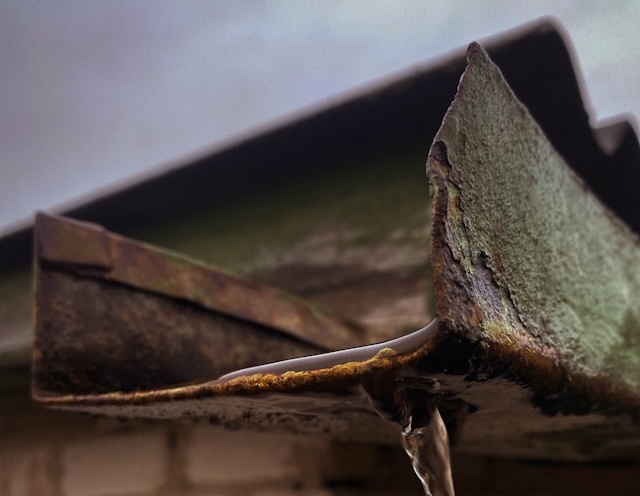
For many homeowners, the challenge is knowing whether damaged gutters need a simple repair or a full replacement. Some issues can be corrected quickly and affordably, while others indicate deeper system failure that requires new gutter installation. Understanding Gutter Repair vs. Gutter Replacement: How to Know What Your Home Needs can help homeowners make informed decisions that protect their property and reduce long-term costs.
Companies like JNC Gutter Cleaners help homeowners evaluate their rain gutter systems and determine the most practical solution based on damage, age, performance, and overall condition.
Why Gutters Matter for Home Protection
Residential gutters are designed to manage water runoff from the roof. Without an effective water diversion system, rainwater can fall directly around the foundation, collect near basement walls, damage siding, and erode landscaping.
Over time, poor drainage can lead to serious problems, including foundation cracks, basement leaks, mold growth, fascia damage, and roof deterioration. Gutters may seem like a small part of the home exterior, but they are essential to long-term structural protection.
When gutters stop working properly, homeowners should address the issue quickly. Ignoring damaged gutters can turn minor problems into costly repairs.
Common Signs Your Gutters Need Attention
Before deciding between repair and replacement, homeowners should understand the warning signs of gutter damage.
Common problems include leaking seams, sagging sections, loose fasteners, disconnected downspouts, overflowing water, visible rust, cracks, peeling paint, and water pooling near the foundation.
Some of these issues are relatively minor and can often be fixed with targeted repairs. Others may indicate that the system is no longer reliable and should be replaced.
The key is identifying whether the damage is isolated or widespread.
When Gutter Repair Is Usually Enough
Gutter repair is often the best solution when the system is generally in good condition but has a few specific issues.
For example, loose fasteners can usually be tightened or replaced. Small leaks may be sealed. Downspouts that have become disconnected can often be reattached. Minor sagging in one section may be corrected if the rest of the gutter system remains stable.
Repair is typically more cost-effective when the problem is limited, the gutters are not too old, and water is still draining properly through most of the system.
This makes repair a practical choice for homeowners who want to extend the life of their existing gutters without investing in full replacement.
When Gutter Replacement Makes More Sense
While repairs can solve many problems, there are times when replacement is the smarter long-term option.
If gutters have extensive rust, major sagging, recurring leaks, or widespread separation from the home, repairs may only provide temporary relief. Older gutter systems may also become less efficient over time, especially if they were poorly installed or undersized for the home.
Replacement may be necessary when the system can no longer move water away from the property effectively. A new gutter installation can improve drainage performance, reduce maintenance concerns, and help prevent water intrusion.
Understanding Gutter Repair vs. Gutter Replacement: How to Know What Your Home Needs often comes down to weighing short-term repair costs against long-term reliability.
Evaluating Gutter Leaks
Leaks are one of the most common gutter problems homeowners notice.
A small leak at a seam or corner may be repairable with proper sealing. However, multiple leaks throughout the system can suggest that the gutters are deteriorating or that the seams are failing.
Seamless gutters can be a strong replacement option for homeowners dealing with frequent leaks because they reduce the number of joints where water can escape.
If leaks keep returning after repairs, replacement may save money over time by eliminating repeated service calls and reducing the risk of water damage.
Understanding Sagging Gutters
Sagging gutters are another important warning sign.
A small sag in one area may be caused by loose hangers or debris buildup. In that case, cleaning and re-securing the section may solve the problem.
However, if large sections of gutter are pulling away from the roofline, the issue may be more serious. Sagging can prevent water from flowing toward downspouts, causing overflow and standing water.
Major sagging may indicate that the gutter material is weakened or that the system was not properly installed. In these cases, replacement may provide a safer and more reliable solution.
The Role of Downspouts
Downspouts are an essential part of rain gutter systems because they carry water from the gutters to the ground and away from the foundation.
Disconnected, clogged, or damaged downspouts can cause water to spill near the home. This can lead to soil erosion, basement leaks, and foundation problems.
In many cases, downspout issues can be repaired. A professional may reattach loose sections, clear blockages, or adjust extensions to improve drainage.
However, if downspouts are undersized, poorly placed, or damaged beyond repair, replacement may be needed to improve the entire water diversion system.
Considering the Age of Your Gutter System
Age is an important factor when deciding between repair and replacement.
Newer gutters with minor problems are usually good candidates for repair. Older gutters that have experienced years of weather exposure may be closer to the end of their useful life.
If the system has required frequent repairs, replacement may be more cost-effective. Continuing to patch an aging system can become expensive, especially if problems keep returning after storms or seasonal changes.
A professional inspection from JNC Gutter Cleaners can help homeowners understand whether their existing gutters still have years of service left or whether replacement would be a better investment.
Maintenance Costs and Long-Term Savings
One of the benefits of choosing the right solution is reduced maintenance cost.
Repairing a minor issue early can prevent more serious damage later. For example, fixing a loose gutter section can stop water from overflowing and damaging the fascia or foundation.
On the other hand, replacing a failing system can reduce the need for repeated repairs and emergency maintenance. A new gutter installation may also improve overall drainage efficiency, protecting the home from expensive water-related damage.
The best choice depends on the condition of the system and the likelihood of future problems.
Protecting Against Water Intrusion
Water intrusion is one of the most costly risks associated with damaged gutters.
When gutters fail to direct water away from the home, moisture can enter basements, crawl spaces, siding gaps, and roofing edges. This can lead to mold, rot, structural weakening, and interior damage.
Both repair and replacement can help prevent water intrusion when chosen appropriately.
Minor issues should be repaired quickly before they worsen. Severely damaged or unreliable systems should be replaced to restore proper drainage and protect the home.
Improving Curb Appeal
Gutters also affect the appearance of a home.
Damaged, rusted, sagging, or detached gutters can make a property look poorly maintained. Even if the rest of the exterior is in good condition, failing gutters can reduce curb appeal.
Repairing visible damage can improve the home’s appearance. However, replacement may be the better option if the entire system looks worn, outdated, or mismatched.
New gutters can create a cleaner exterior appearance and contribute to overall property value.
Increasing Property Value
Homeowners often think about kitchens, bathrooms, and landscaping when considering property value, but exterior maintenance is equally important.
A reliable gutter system signals that the home has been properly cared for. Buyers may view damaged gutters as a warning sign of possible water issues.
Repairing or replacing gutters before problems escalate can help preserve property value and reduce concerns during home inspections.
For homeowners planning to sell, a professional assessment can determine whether repair or replacement is the better choice.
Why Professional Evaluation Matters
Choosing between gutter repair and replacement is not always simple. What looks like a minor problem from the ground may be part of a larger issue.
Professional gutter specialists can inspect the system closely, identify hidden damage, evaluate drainage performance, and recommend the most cost-effective solution.
JNC Gutter Cleaners helps homeowners assess whether repairs are enough or whether new gutter installation would provide better long-term protection.
Professional guidance helps prevent unnecessary replacement while also ensuring that serious problems are not ignored.
Conclusion
Understanding Gutter Repair vs. Gutter Replacement: How to Know What Your Home Needs is essential for protecting your home from water damage, structural issues, and unnecessary expenses. Minor problems such as loose fasteners, small leaks, and disconnected downspouts can often be repaired. However, extensive rust, major sagging, recurring leaks, and aging systems may require complete replacement.
By addressing gutter problems early, homeowners can improve drainage performance, reduce maintenance costs, protect against water intrusion, enhance curb appeal, and preserve property value.